The Transformation of the Printing Industry: Automation and Sustainability

The printing industry has undergone a significant transformation in recent years, largely due to the introduction of automation. Automation has revolutionised the way printing companies operate by increasing efficiency, reducing costs and improving quality. Furthermore, it plays a crucial role in advancing the industry’s sustainability efforts. This article examines the far-reaching impact of automation on the printing industry and its contribution to a more sustainable future.
The Impact of Automation:
Improved Efficiency
One of the most immediate and visible effects of automation in the printing industry is the increased efficiency of production processes. Automated machines operate at higher speeds and with greater precision, resulting in shorter production times and lower costs. Print jobs that used to take hours can now be completed in a matter of minutes, thanks to the precision and speed of automated printers. This not only benefits printing companies in terms of productivity, but also results in shorter lead times for customers.
Improved quality
Automation in the printing industry goes beyond speed and efficiency; it also contributes to improved quality. Human errors, which were once common in manual printing processes, have been significantly reduced. Automated systems ensure consistently high print quality, resulting in sharper images, more vibrant colours and greater accuracy. This quality assurance is a significant selling point for printing companies seeking to attract high-end customers who demand perfection in their printed materials.
Cost reduction
Automation has a direct impact on cost reduction for printing companies. By using automated systems, printing companies can significantly reduce their operating costs. This is achieved by reducing labour costs, as automated machines require less human support and supervision. Furthermore, automated machines are often designed to be more energy-efficient, which reduces electricity and energy consumption. Overall, this leads to higher profit margins for printing companies and competitive prices for customers.
Flexibility
One of the advantages of automated printing presses is their flexibility. These machines are highly adaptable and can easily adjust to different printing requirements and materials. Whether it involves printing on different paper sizes or materials, or applying various finishing options, automated printers can switch quickly between jobs without the need for extensive manual adjustments. This flexibility enables printing companies to take on a wider range of projects and meet diverse customer requirements.
Reducing waste
Automation in the printing industry also helps to reduce waste. Automated systems are equipped with sensors and quality control mechanisms that can detect errors in real time. This means that if an error occurs during the printing process, the machine can stop or correct it immediately, minimising the production of faulty or unusable printed materials. Less waste not only saves costs but also supports sustainability goals by reducing the environmental impact of the printing process.
Common automation measures in the printing industry:
Workflow management systems
Workflow management systems have become a cornerstone of automation in the printing industry. These systems enable the seamless integration of various stages of the printing process, from job management and pre-press right through to the actual printing and finishing. Through centralised control and the optimisation of workflows, these systems ensure efficient and error-free production.
Automated pre-press
Pre-press has undergone significant automation, enabling faster and more precise processing of job data. Software solutions such as Adobe InDesign Server can automatically adapt print jobs to the specifications of the printing presses. Customers can upload their jobs online, and the software takes care of the rest, reducing manual effort and minimising errors.
Digital printing
The rise of digital printing has further driven automation by enabling personalised print jobs and the integration of variable data into the printing process. Digital printing presses are renowned for their precision and their ability to process variable data effortlessly. This has opened up new possibilities for personalised marketing materials, such as direct mail campaigns that address individual recipients by name.
Robots and Robotics
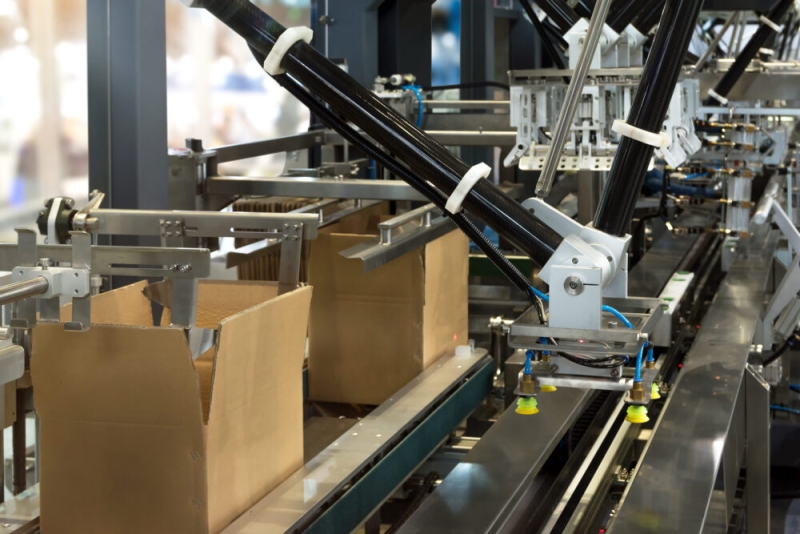
Some printing companies have adopted robotics to automate various tasks, including the loading and unloading of printing presses. Robots can perform repetitive and physically demanding tasks with precision, freeing up human operators to focus on more complex tasks.
Automated quality control
Automated printing systems often incorporate image processing systems and sensors for real-time quality control. These systems can detect even the smallest defects in printed materials to ensure that the end product meets the highest quality standards. This not only reduces waste but also enhances customer satisfaction.
Predictive maintenance
Predictive maintenance is another valuable aspect of automation in the printing industry. Sensors fitted to printing presses continuously monitor their condition and performance. The data collected by these sensors is analysed using machine learning and algorithms to predict when maintenance is required. Through proactive maintenance, printing companies can minimise downtime and avoid costly repairs.
Remote Monitoring and Maintenance
Technological advances have enabled technicians to monitor and maintain printing presses remotely. This means that problems can be identified and resolved without the need for on-site visits, saving both time and resources. Remote maintenance also contributes to higher machine availability and productivity.
These examples illustrate the wide range of ways in which automation is transforming various segments of the printing industry. From the automation of pre-press processes to the use of robots, these technologies help to increase efficiency, reduce costs and improve the quality of printed materials.
Sustainability in the printing industry:
Automation is not just about efficiency and cost savings; it also has a significant impact on sustainability in the printing industry. The following lists how automation contributes to a more environmentally friendly and sustainable printing process:
1. Resource efficiency
Automated printing presses are exceptionally efficient in their use of resources. They can precisely control print settings and ink quantities, thereby minimising waste. This reduction in resource consumption – including ink, paper and other printing materials – leads to cost savings and a smaller environmental footprint.
2. Energy efficiency
Modern automated presses are designed for energy efficiency. They consume less electricity compared to older models, leading to lower energy consumption and associated emissions. As the world increasingly focuses on reducing energy consumption and combating climate change, this aspect of automation is becoming crucial.
3. Waste reduction
Automation minimises waste through precise printing and automatic quality control. Errors are detected and corrected in real time, reducing the number of rejected prints and, consequently, the waste generated by faulty printed products. Less waste not only saves costs but also aligns with sustainability goals.
4. Remote monitoring and maintenance
Remote monitoring of printing presses enables faster fault detection and resolution, thereby minimising downtime and the resources normally associated with on-site repairs and maintenance. This approach reduces the carbon footprint associated with technician travel and the resources required for on-site services.
5. Reuse and recycling
Automation can promote the reusability of printing plates and materials, which supports recycling and reduces the need for new raw materials. This circular approach is in line with sustainability efforts to minimise waste and promote resource conservation.
6. Sustainable materials
The use of automated label printing machines enables the use of more environmentally friendly materials, such as recycled paper or biodegradable inks. This shift towards sustainable materials reflects the industry-wide commitment to reducing environmental impact.
7. Reduction in Harmful Chemicals
In some cases, automated printing technology can reduce the use of harmful chemicals, thereby minimising the environmental impact. Through the use of automated quality control mechanisms, problems can be identified and rectified without the need for chemical intervention.
8. Production optimisation
Automation can optimise production processes to ensure more efficient utilisation of machinery, reduce idle time and lower energy consumption per printed product. This optimisation minimises resource consumption and contributes to a greener printing industry.
Conclusion: The future of automation and sustainability in the printing industry
The printing industry has come a long way, driven by the relentless development of technology and automation. It is evident that automation is having a profound impact on the sector, offering benefits such as increased efficiency, improved quality, cost savings, flexibility and waste reduction. These benefits have not only made printing companies more competitive but have also paved the way for exciting innovations within the sector.
From the introduction of workflow management systems to the implementation of automated pre-press and digital printing processes, the printing industry has utilised automation to optimise its processes and meet the ever-changing demands of customers. Robotic systems and automated quality control mechanisms have further pushed the boundaries of what is possible, leading to higher productivity and customer satisfaction.
Furthermore, the forward-looking approach of predictive maintenance and remote monitoring has minimised downtime, reduced resource consumption and contributed to the creation of a more sustainable printing industry. When printing companies adopt these technologies, they not only improve their financial position but also reduce their environmental impact and commit to more sustainable business practices.
The future of the printing industry is clear – it will continue to utilise automation as a means of maintaining its competitiveness, meeting customer requirements and reducing its environmental footprint. As technology continues to advance, we can expect even more sophisticated and efficient automation solutions that will further enhance the industry’s capabilities.
In summary, automation is the key to unlocking the potential of the printing industry in the 21st century. It promises efficiency, quality, cost savings and sustainability. As the industry continues to evolve, it will be those printing companies that adapt and embrace automation that will succeed in the modern market whilst contributing to a more sustainable and environmentally conscious future.
FAQ – Frequently Asked Questions
Automation speeds up production processes, reduces manual errors and ensures consistent print quality. Networked workflows, digital printing systems, robotics and automated quality controls also help printing companies respond more flexibly to customer requirements.
The most important solutions include workflow management systems, automated pre-press, digital printing presses, robotics, image processing, predictive maintenance, and remote monitoring and maintenance. They support various process steps, from order acceptance through to post-press processing.
Automated systems can control ink and material quantities more precisely, detect faults early and reduce waste. Improved machine utilisation, more energy-efficient equipment and predictive maintenance can also help to reduce resource consumption and emissions.
Predictive maintenance uses sensor data and analytical methods to continuously monitor the condition of printing presses. This enables maintenance requirements to be identified at an early stage. This helps to avoid unplanned downtime, reduce repair costs and increase machine availability.
